
• Home
  • Wellness
  • Life&Balance
  • Healthy Planet
  • Life Tips
  • Mind&Body
logo
  • Home
  • Wellness
  • Life&Balance
  • Healthy Planet
  • Life Tips
  • Mind&Body
  • Healthy Planet

Why Protecting Wildlife Protects Us Too

2026-01-03 By Liam Smith

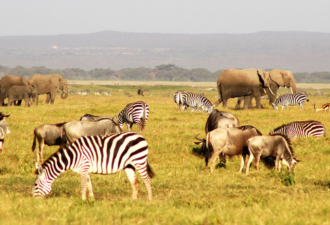
In the field of environment and ecology, protecting wildlife is a task of paramount importance. Wild animals are an essential component of ecosystems, playing an irreplaceable role in maintaining ecological balance and providing ecosystem services. The extinction of wildlife causes severe damage to ecosystems. For example, some animals may be pollinators or seed dispersers for plants; their disappearance affects plant reproduction and growth, thus impacting the stability of the entire ecosystem. Wild animals also control pest populations, maintaining ecosystem balance. Furthermore, wildlife is a vital manifestation of biodiversity; protecting wildlife is protecting the Earth's biodiversity. Protecting wildlife is about enabling humans to better survive in nature. This perspective is anthropocentric and addresses the issue from an ethical standpoint. It can be understood as ensuring the well-being of all living things in nature. For wildlife to thrive, humans must be provided for their survival; conversely, for humans to thrive, wildlife must be provided for their survival. If wildlife does not thrive, the Earth's biodiversity is lost, and humanity will not live well either, perhaps even facing greater challenges. The reason is that humans are a species living on this blue planet. If humans want to survive, they must rely on other organisms and together with all living things form a biosphere.
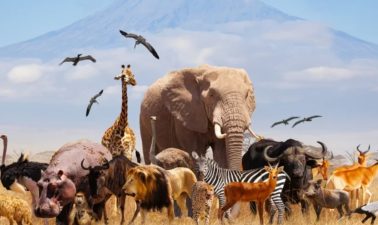

Why do we need to protect wild animals?

  1. Species Balance

Wild animals are species that live in their natural environments, and each species plays a vital role in the ecological environment. There are interdependent relationships between different species in the ecological environment; different species influence and constrain each other. Therefore, a major reason for protecting wild animals is to maintain species balance. If some wild animals are overhunted or their habitats are destroyed, it will disrupt the ecological balance, leading to an imbalance in the entire ecosystem.
  1. Scientific Research

With the continuous development of science and technology, wildlife research is becoming increasingly important. Today, wildlife research can provide reference and basis for research in other fields. Because wild animals have the characteristics of natural evolution, their biological characteristics, behavioral habits, and adaptability to the environment are all areas that scientific research needs to explore and discover.
  1. Economic Utilization

Wild animals play an extremely important role in human production and life, such as hunting wild animals for game and using wild animals for medicine. However, excessive hunting of wild animals or private capture of wild animals can lead to their extinction, and will also cause huge hidden dangers and losses to human economic life. 4. Cultural Heritage
With societal development, traditional culture is gradually being lost. Wild animals, as symbols of traditional culture, still hold a significant place in certain regions. Only by protecting wild animals can we preserve these profound cultural legacies, pass on the essence of culture, and allow future generations to appreciate the diversity of the world.
  1. Human Interests

Wild animals are not only a component of the ecological environment but also directly related to human survival and development. For example, protecting wild animals can prevent wildfires and disasters and improve water quality. Therefore, protecting wild animals is also for the fundamental interests of humanity.


What are the harms of hunting wild animals?

  • Disruption of the food chain, leading to the degradation, extinction, and explosive proliferation of some other wild animals.
  • Damage to the ecological environment, affecting plants that rely on wild animals for population dispersal.
  • Destruction of biodiversity, forcing the interruption of biological evolution.
  • Disruption of ecological balance, increasing direct conflict between wild animals and humans, especially as wild carnivores may attack humans when food is scarce.

Conclusion

Finally, protecting wild animals also has cultural and educational significance. Wild animals are the spirits of nature; their beauty and wonder inspire human imagination and creativity. By protecting and observing wild animals, we can better understand nature, appreciate life, and cultivate environmental awareness and ecological consciousness.
In short, protecting wild animals is of great significance to humanity. We should cherish and protect these precious biological resources, maintain ecological balance and biodiversity, promote the sustainable development of human society, and jointly create a better future.

Recent Posts

Environmental Protection Is a Global Challenge

Are We Doing Enough to Reduce Plastic Waste?

Why Urban Green Spaces Matter More Than We Think

Protecting the Earth Starts With Understanding It

What Causes Poor Air Quality?

Environmental Protection Begins at Home

  • About Us
  • Privacy Policy
  • Terms of Use

©Copyright 2025 Wisdom Live. All Rights Reserved.